
Turns out I’ve been in the same place I always am, just not posting here!
It’s been a really hard time. I’ve started receiving care from an agency, which has been a big adjustment. But the carers are wonderful people and work so hard to treat me with dignity, respect and kindness.
I’ve been catching bugs more frequently lately, so have been constantly falling ill, which triggers my pain crisis due to the inflammation caused by infections. This year has been so hard that simply getting through each day has been all I could manage. I’ve been yearning to write, but in too much pain to think clearly enough to do so.
I missed you, my subscribers. I’ve felt like I was letting you down. This blog means so much to me and I have missed it deeply and acutely.
I have some pieces I have been working on. But please bear with me, it may take time for some to appear because I am still struggling. Thank you all so much for your patience and support.
With that out of the way let’s move onto the main, more exciting, part of this post!
PlayStation Plus have a lot of good horror games in their catalogue at the moment. It being Halloween season, I figured it was a good time to play my first horror game! 😱😱😱
There’s a few horror games I’ve been curious about for years but I always hesitated to try. Getting stressed out makes my pain worse and I play games to distract me from my pain, not aggravate it. But there’s a lot of good spooky games and I figured I might as well make use of my subscription and test myself in the process. See if these games really are as horrifying as they boast.
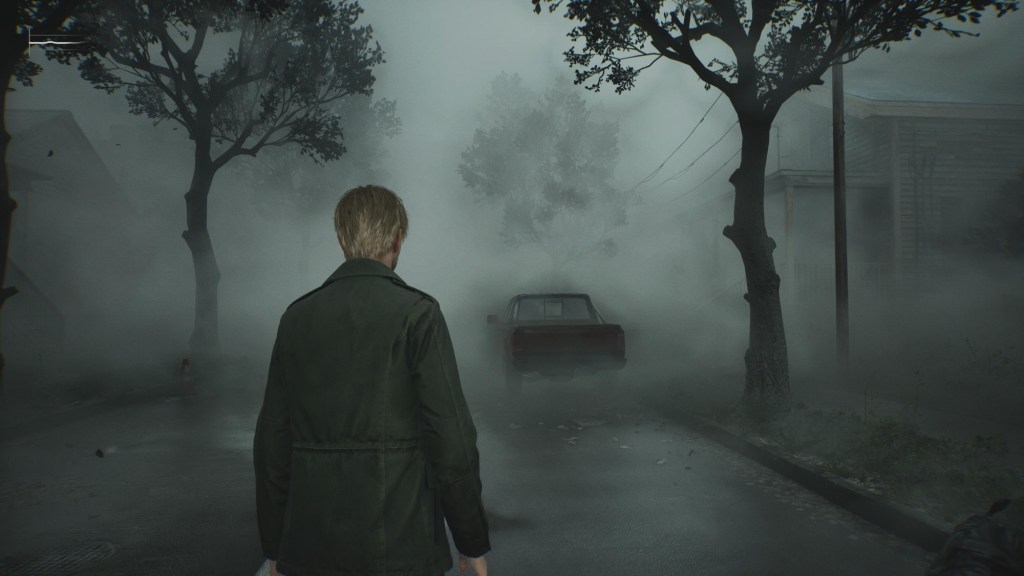
I decided to start with Silent Hill 2 Remake (from now on I’ll shorten it to SH2R). One of the best horror games ever made, this version is a remake of the classic psychological horror game made back in 2001. I was a toddler when this game came out. Weird to think.
I decided to find another game to use as a reprieve in the tense moments, and I found a secluded treasure.
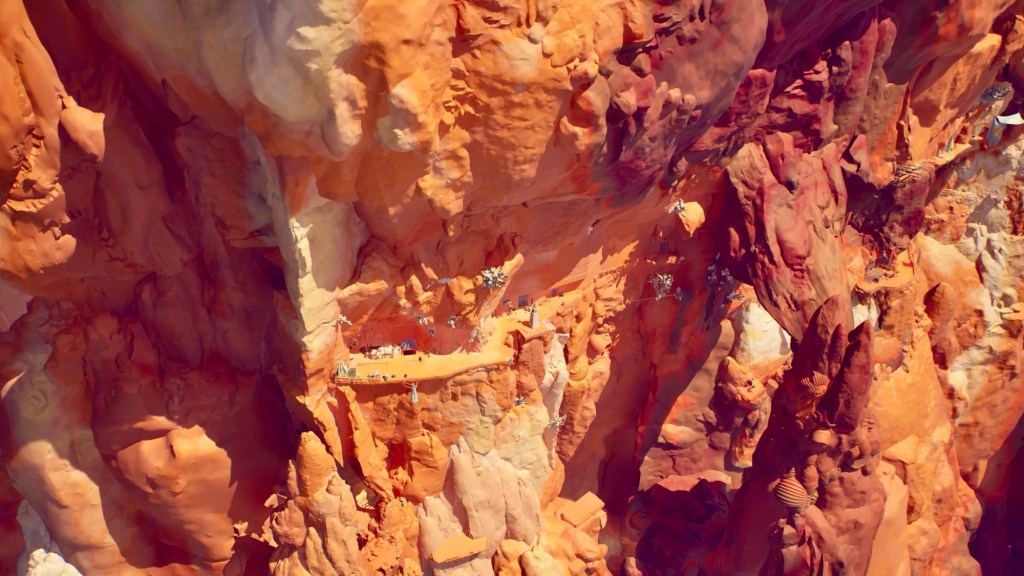
Jusant – French for “receding tide”. The game’s story explains the name. Basically, a water world with a whole marine culture based around it. Only one day, the water went away and never came back.
Imagine how the world would change, slowly drying out as every last drop of water that remains from the day the ocean left is sucked out by the thirsty remnants of life. Imagine farmers trying to keep their fields growing, people trying to eke out a meagre existence in the cliffs. (Because the water levels dropped, people suddenly found their existing communities were much higher up than they thought.) People built downwards, trying to follow the receding tide. Boats carried and marooned on random spires of rock. And a lighthouse keeper, Bianca, wondering what the point of her life even is anymore. Eventually people leave, hoping to find water in pastures new, if not green, then brown. But this delays the inevitable – a miserable massacre committed by thirst.
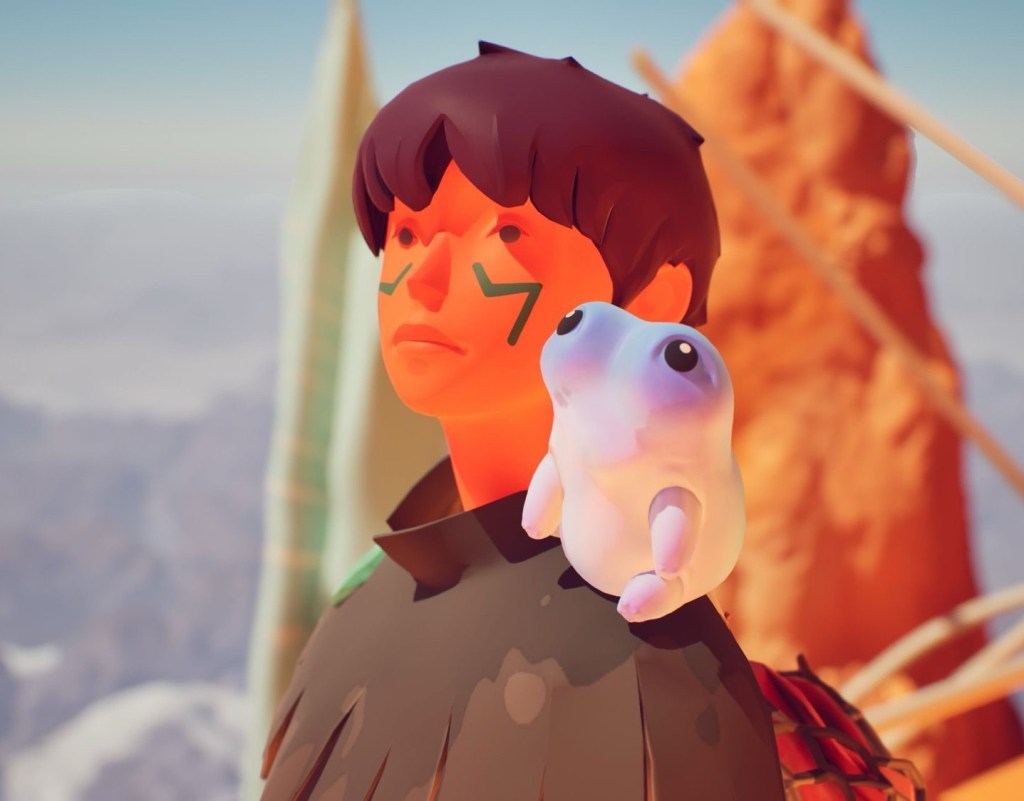
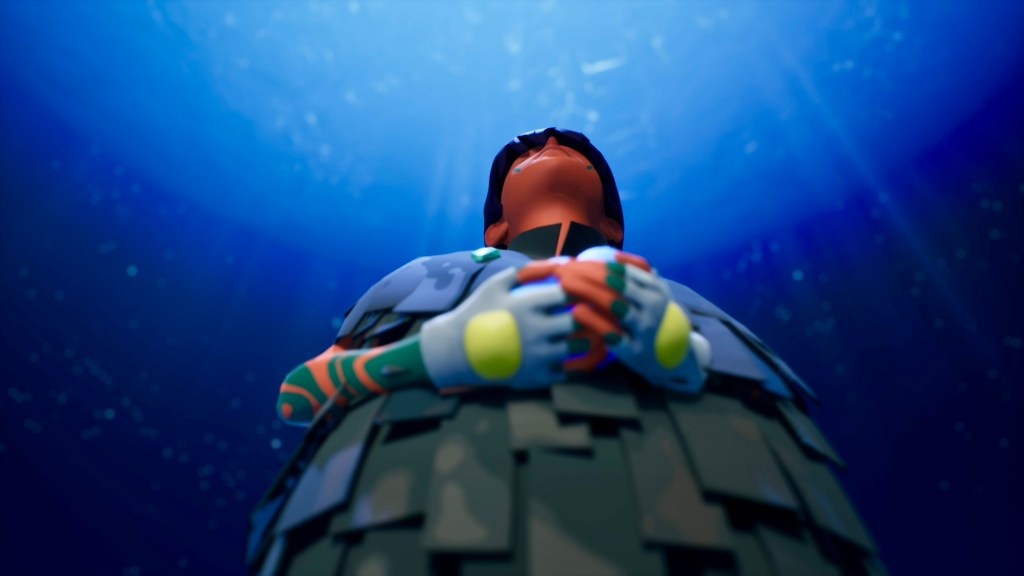
Enter the Climber and his little cute blue companion who looks designed for cuddles. Apparently called a ballast. I call him Cutey Bluey.
They climb the treacherous cliffs (treacherous in look, not in fact – there is no way to die in this game) searching for a way to bring the water back.
James, the protagonist of SH2R, is on a much more harrowing journey. He travels through the fog-smothered town, visiting its eerie graveyard, once-charming-and-now-empty high streets, rickety and crumbling apartment blocks, dilapidated hospital, and suffocating prison. The final destination is the hotel where he and his wife enjoyed what was ultimately their final blissful holiday together, before Mary’s terminal illness took hold. In this building with deep personal history, James’ most horrendous secret is revealed.
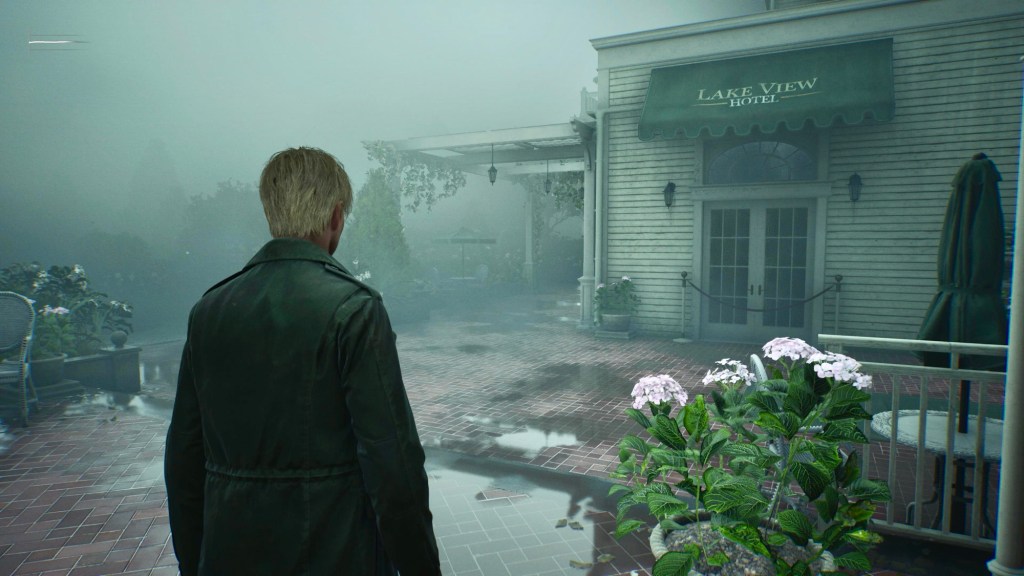
For the physical journey through the town is merely the method by which James penetrates into the darkest, most hidden recesses of his mind. Here resides the desires and impulses of the version of himself he wishes didn’t exist and tries so hard to deny.
I won’t reveal his secret, because I don’t want to spoil the story in case you want to play it one day. You can look it up if you want to know. But suffice to say, James is no exception to the rule that the town of Silent Hill calls to those with darkness in their hearts.
I’ve found the experience of playing a game that fits quite well into the cozy genre at the same time as a classic horror game to be an illuminating experience. The relaxing vibe and oppressive atmosphere contrast effectively, in a way that makes you appreciate the games all the more when you return to them.
When the fear is getting too much, the peacefulness of focusing on how to climb to the top of the cliff in Jusant feels like sheer relief. And when you feel exhausted from the monotony of a seemingly endless climb, you can immerse yourself in the terrifying tension and thoughtful symbolism of SH2R. They complement each other well in their contrast.
That said, they also have similarities that extend beyond just the surface description of both involving a character going on a journey.
How both games use environmental storytelling to paint a vivid picture of their virtual worlds
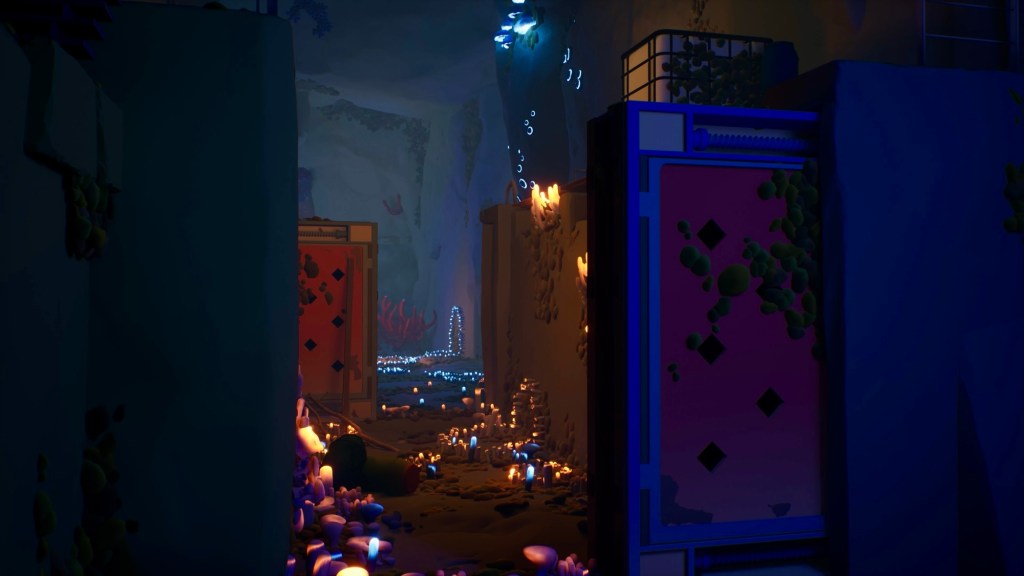
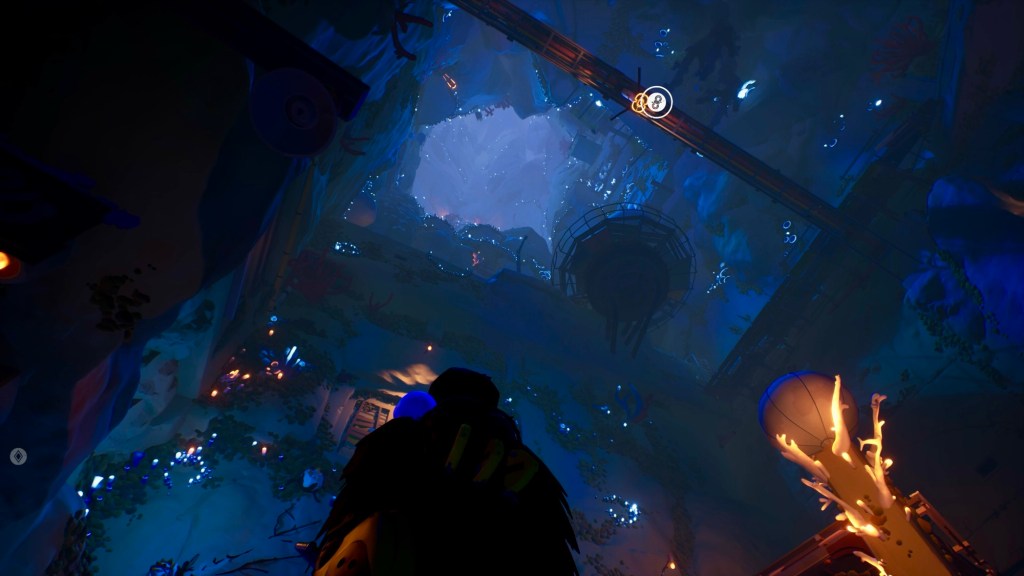
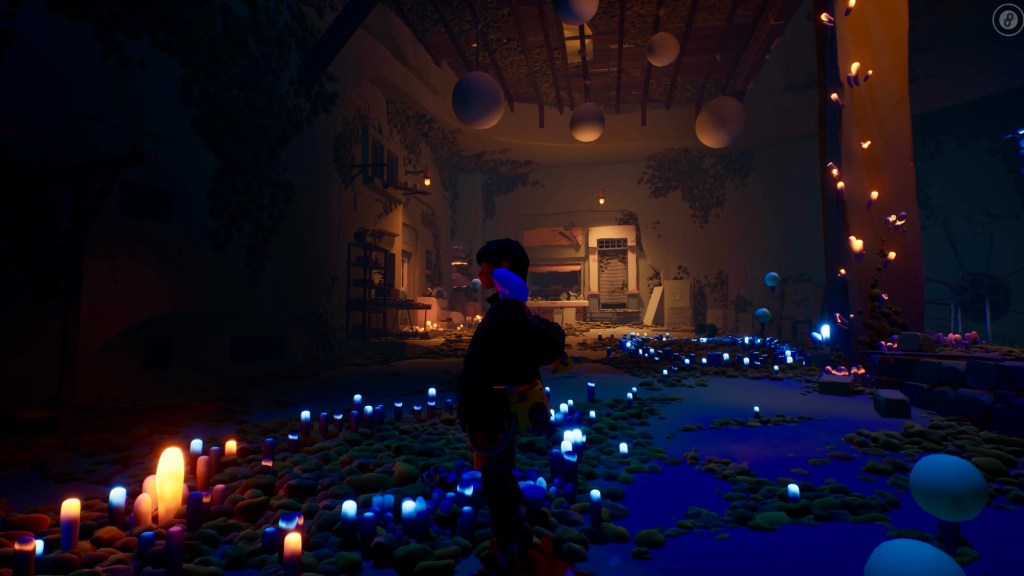
Both games use environmental storytelling extremely effectively to paint a picture of the worlds in which their stories are set in and shape. Jusant has boats and marine equipment (buoys, netting, life jackets, etc) stranded on the cliffs. These and other remnants of human community, like children’s toys, agricultural equipment and layouts (layered like rice fields), furniture, tents, sleeping bags and lighting fixtures, all tell us that there were people here, once, who lived their lives deeply connected to water, which has since disappeared into the desert. There’s this sense that something has gone wrong, but the bright colours and cute music keep the tone calm and relaxed. It’s a curiosity about what happens next, not fear, unlike in SH2R.
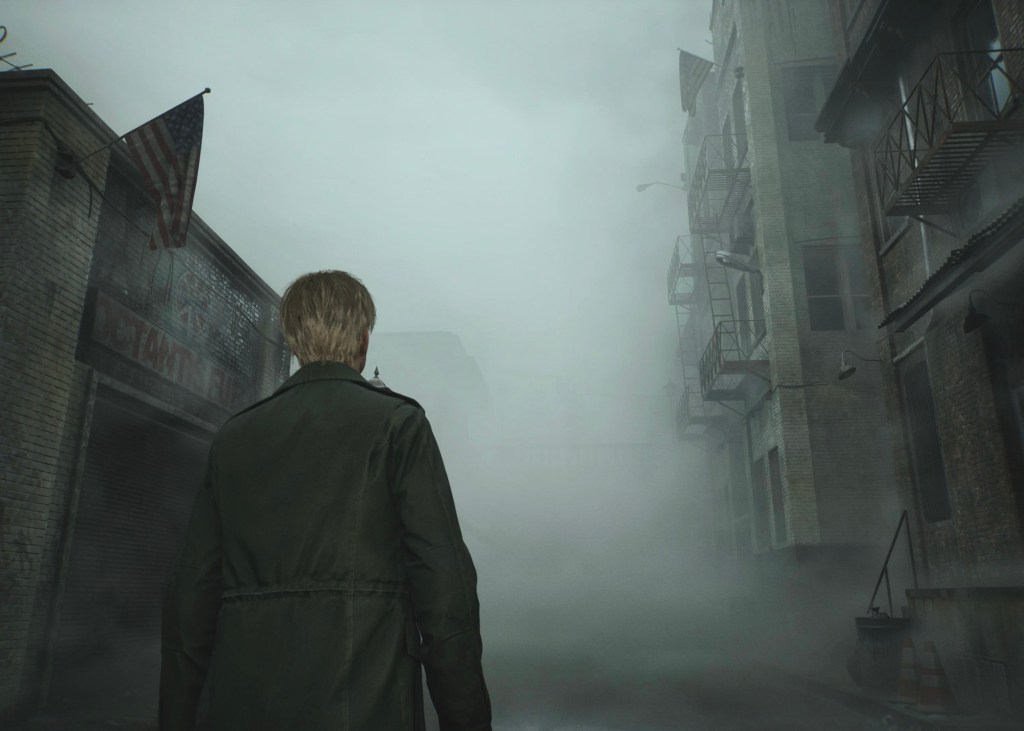
From the very beginning of SH2R, when fog begins to seep into the woods, the player is uneasy. And when the fog thickens into an obscuring cloud, impossible to see further than a few feet in front of you, the uneasiness turns into dread of what is out there. The way the buildings and shambling figures of the enemy seem to pop up out of the fog from nothingness is even more unnerving. How can you prepare for what you cannot see?
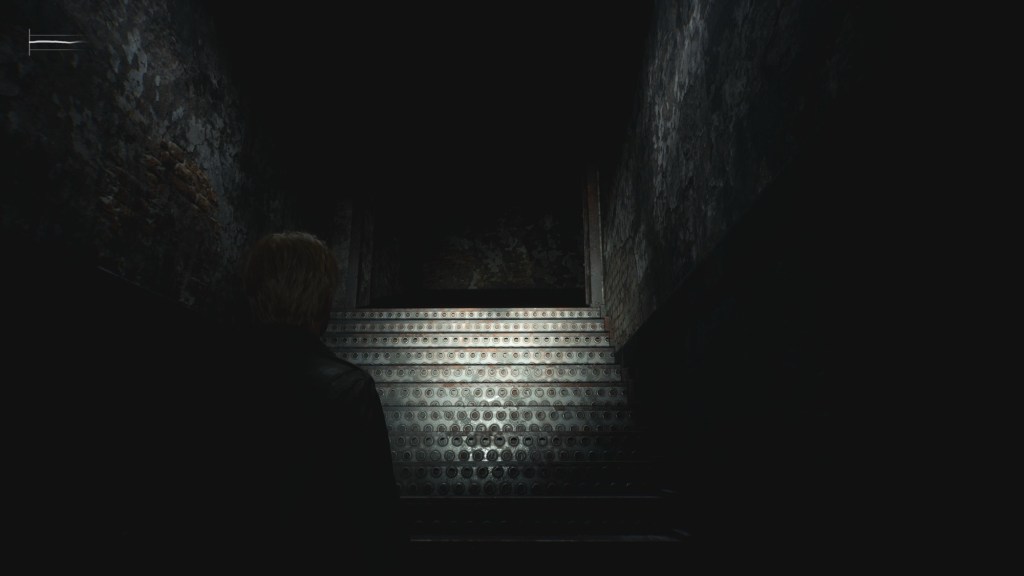
Then when James is in the prison and the labyrinth, the darkness adds to the dread. It forces you to confront the monsters that could be (and most certainly exist) in the dark. As you creep and tiptoe your way forward, your torch barely illuminating your way, the absence of a monster becomes more frightening than its presence.
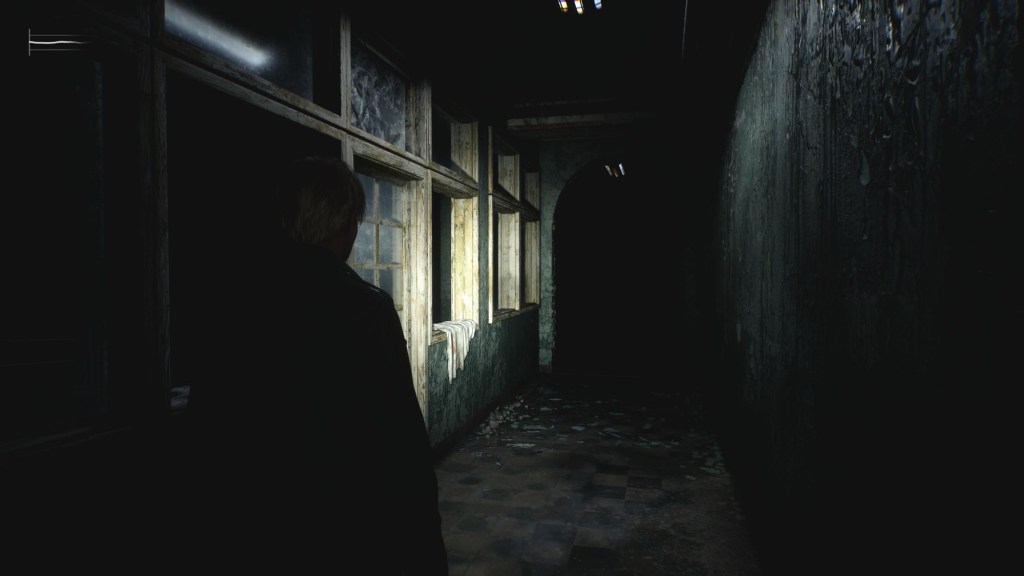
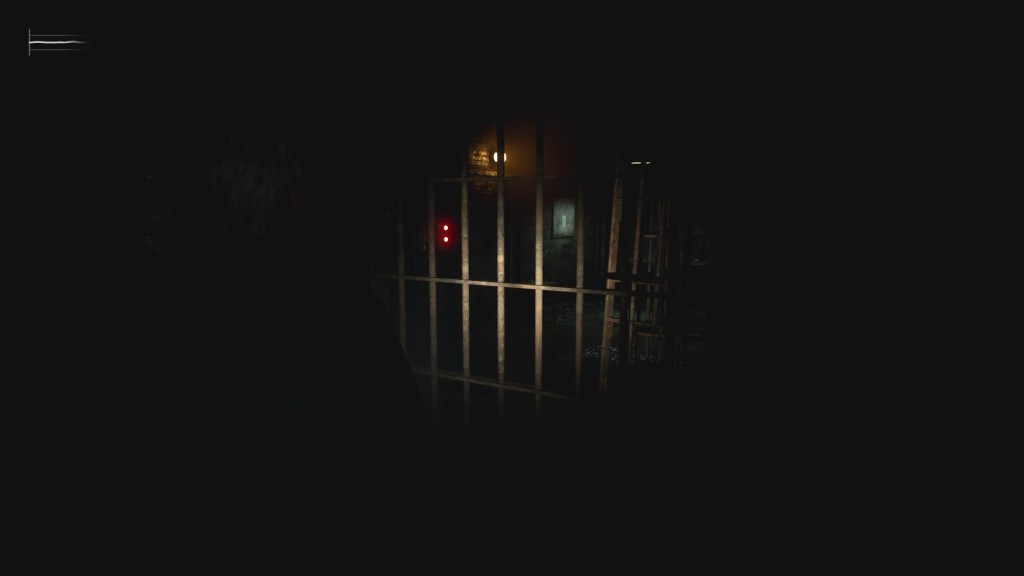
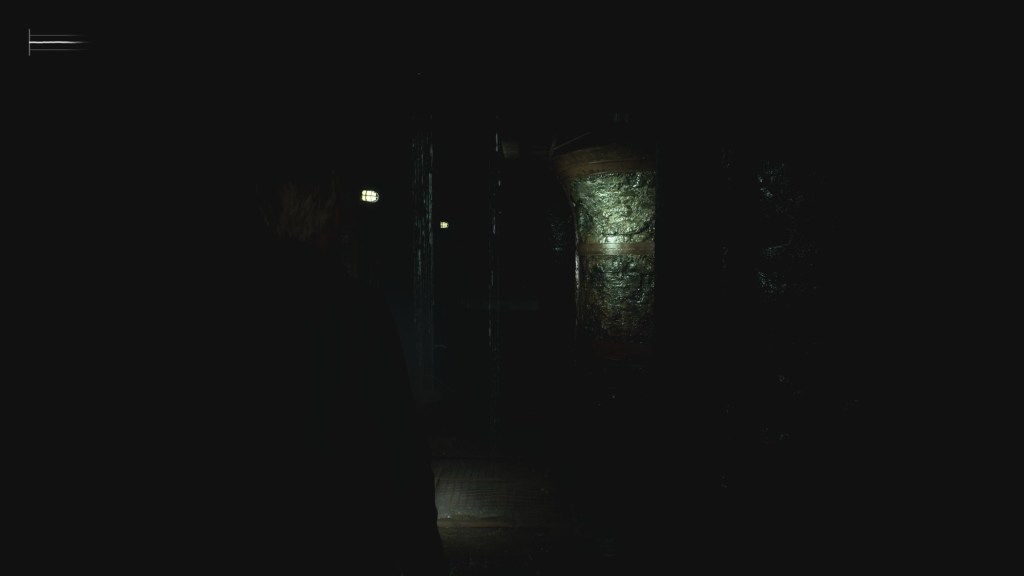
Additionally, the way shadows in this game move realistically means it’s easy to get tricked by moving light and shadow. Was that …? No, no, it’s fine. Just a shadow moving with the torch. Look at this video to see what I mean.
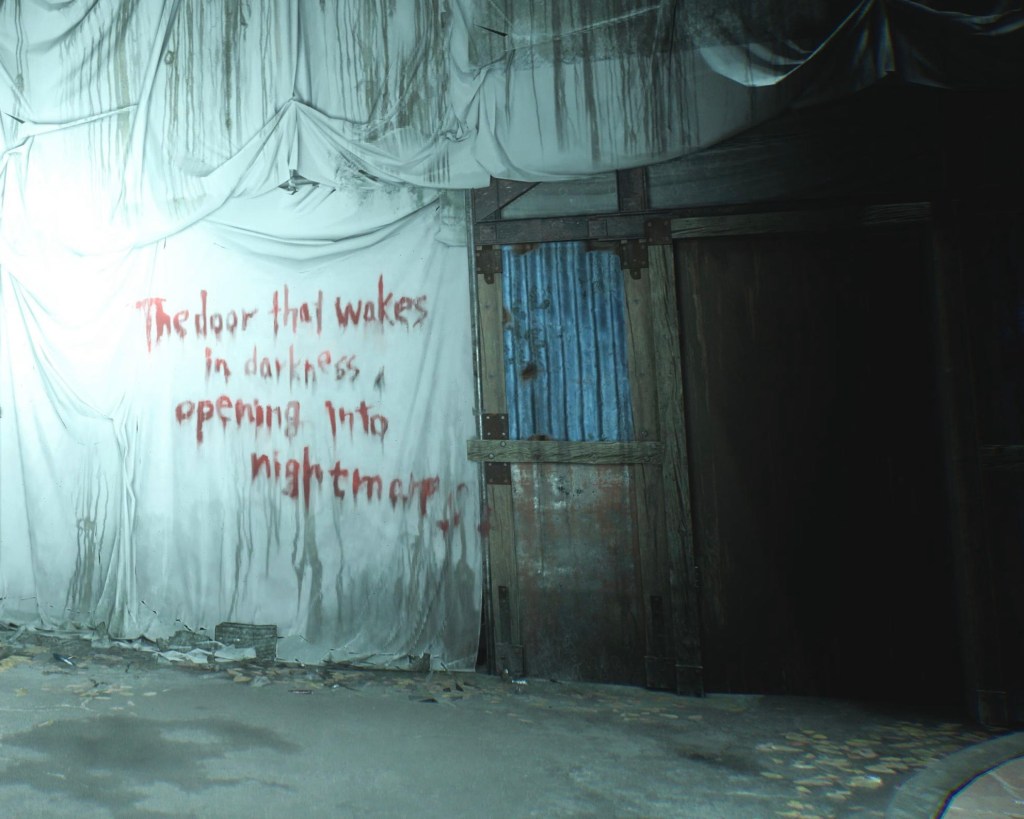
Out of the fog, within the darkness, in a drawer, daubed on a wall, you find notes, scrawled messages left behind by … someone. Some give you advice on how to survive the town. Others just give colour to the history of the setting. And there’s the notorious “The door that wakes in darkness, opening into nightmares.” This door is locked during the day, but when James encounters it at night it swings open, awakened by the dark. And on he walks on a journey into the suffocating darkness of the bowels of the town – the prison, where nightmares await.
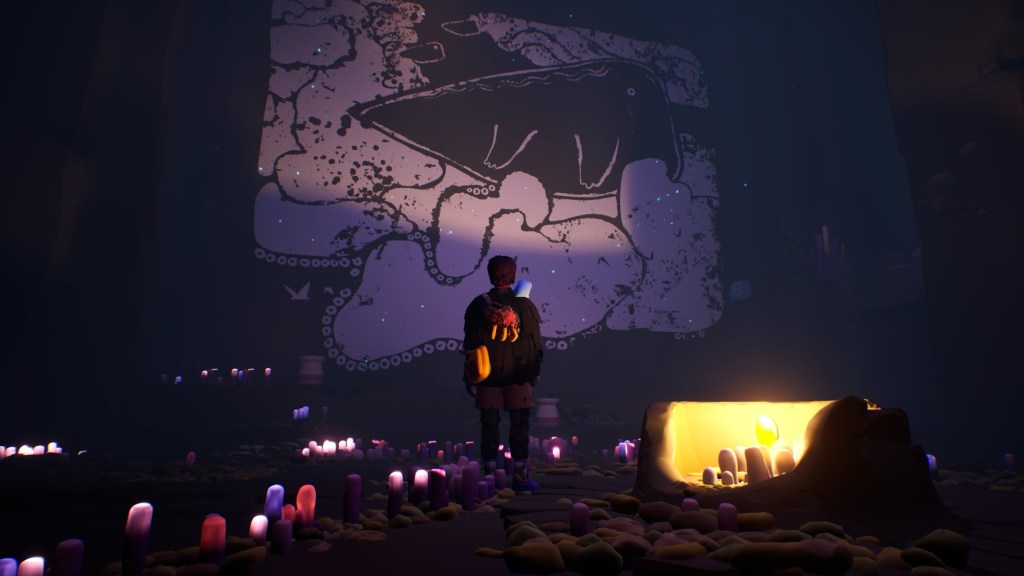
As a contrast, the messages left behind in Jusant are cheerful, despite the gravity of the situation of an impossible to fix drought. We find community announcements, letters to friends and family, poems, journals and diaries, and even accounts of mythical tales. These legends, referred to somewhat offhandedly, hint at the plot of the story. A piper wandering the land with his music, reconnecting with the water creatures called ballasts, bringing the water back. But these snippets are easily missed.
How the games use sound to tell a story
We’ve already talked about how the games use environmental storytelling using what we can see and read. Now let’s dive into the way both games use sound to create atmosphere, emotion and tell their story.
In the simple, repetitive beats of hands and feet gripping rock as the climber ascends the heights, there is a kind of music. The sweet squeaks of Cutey Bluey as the player and climber interact with him sound like a baby kitten, which foreshadows that he is an infant of his species.
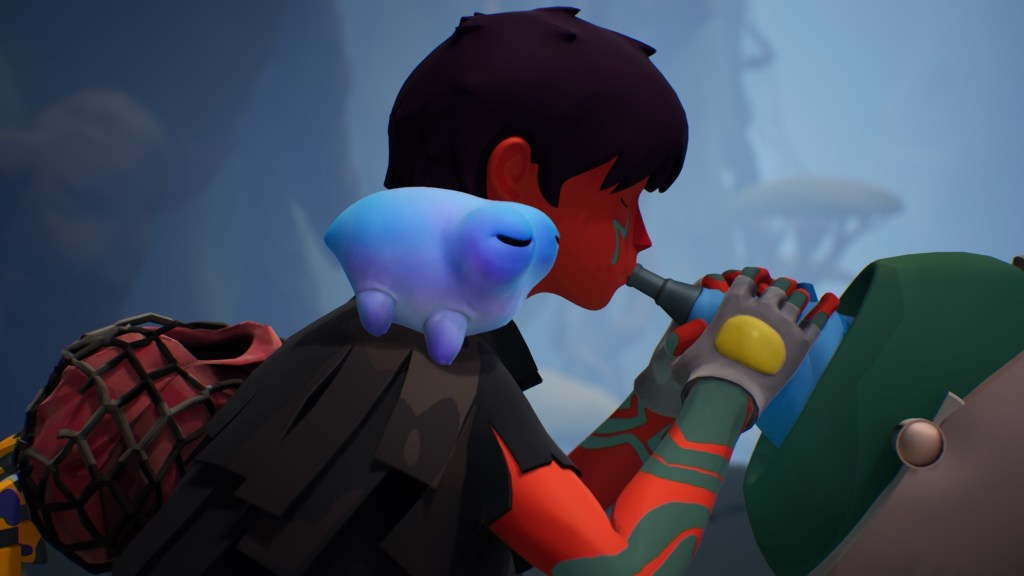
The sound of the unrelenting wind as an antagonistic force pushing the climber off course resounds in the player’s ear (and has a tactile element in the controller’s vibrations as well). And the way the climber uses his pipe, and Cutey Bluey chimes in with his water magic, to bring the water back to the parched land. Music literally saves the world in this game!
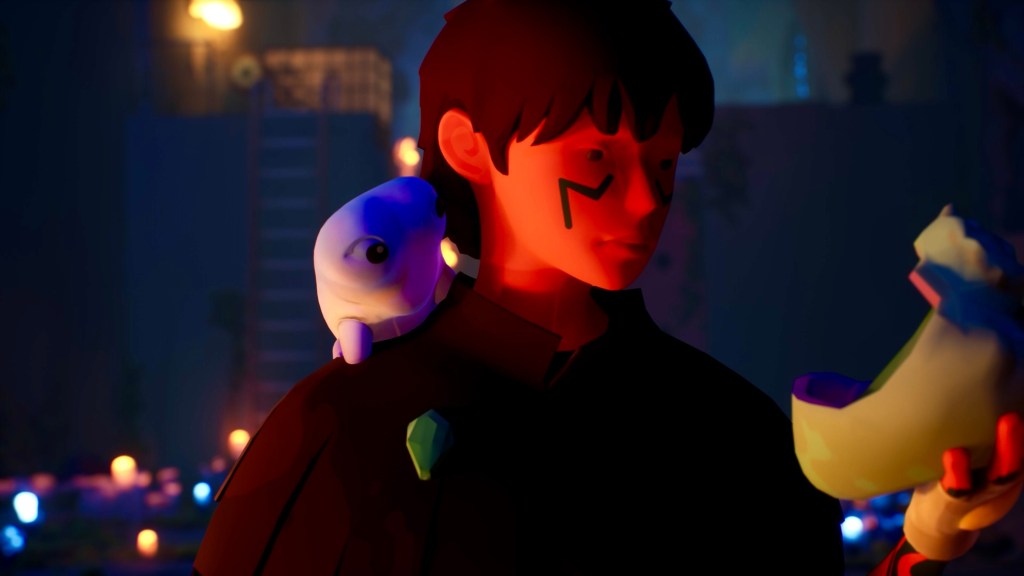
The most poignant use of soundscape in Jusant is the seashells and how they capture past sounds, temporarily bringing them back to life again. But only once, as after hearing them, the seashell dissolves in the climber’s hands. The past is gone again, forever out of audible reach. It also subverts the myth that seashells capture the sound of the sea. Here, they capture the sounds of a thriving community, now lost. And you can hear the trickling and flowing of water amid the sounds of industry and children’s laughter, further highlighting how these people’s lives were centred around water.
The sounds in SH2R, though, are more alarming and ominous. James hears weird sounds emanating through the fog and within the darkness. Footsteps – who is making them? A monster? The answer is usually yes in this game.
In the prison yard, the sound of horses cantering towards and away from you. As if the noise is tracking you. No enemies are in this place, but still you never feel safe. There are periodic sounds of moaning and breathing, as if James is being stalked. But then, you wonder, did you actually hear what you think you heard? Or is it an instance of auditory pareidolia, where your brain finds patterns in sound where in fact there is nothing significant. Just white noise. The uncertainty means you can’t trust your (James’) senses as telling you the truth of what is there.
Something I found especially refreshing was how the game used subtitles to add to the sense of fear. This is most powerful when you’re someone deaf like me and didn’t even hear the sound in the first place and are now thinking, “There’s a sound?!”
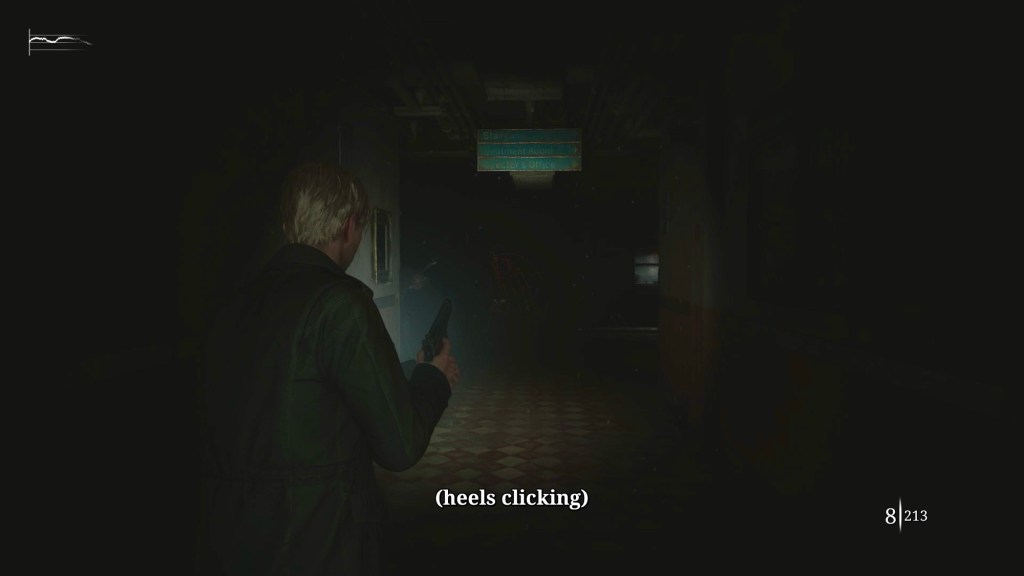
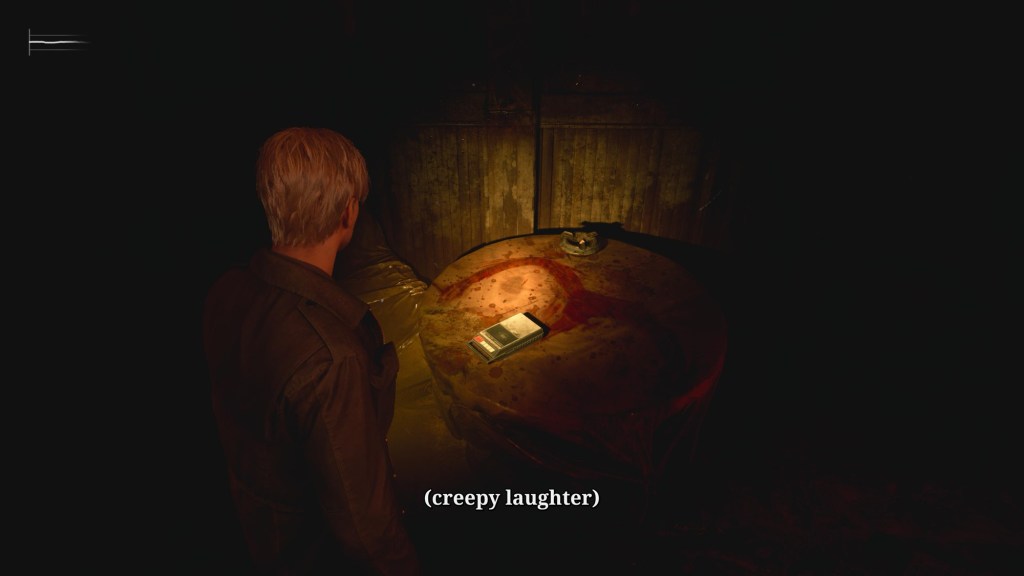
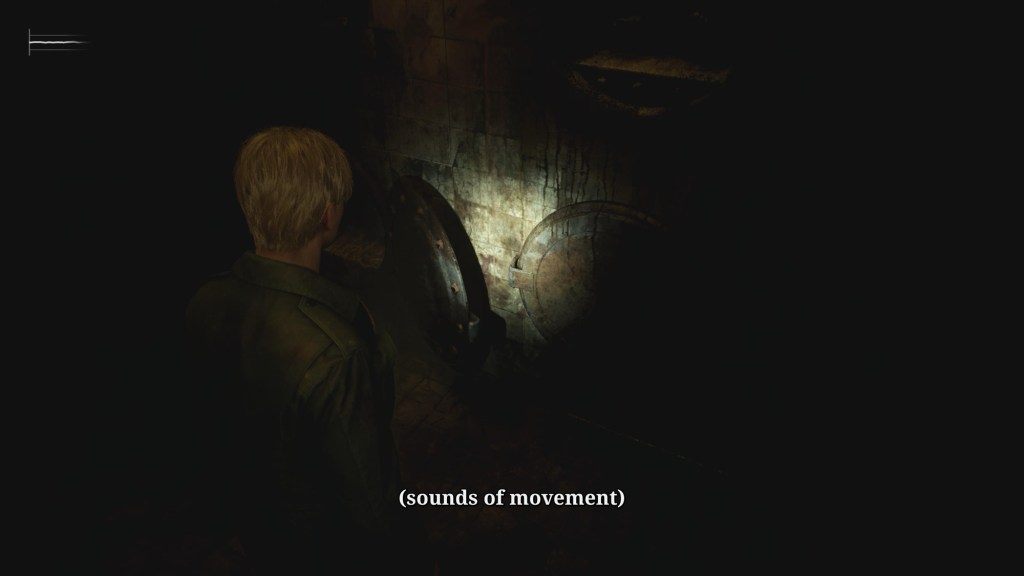
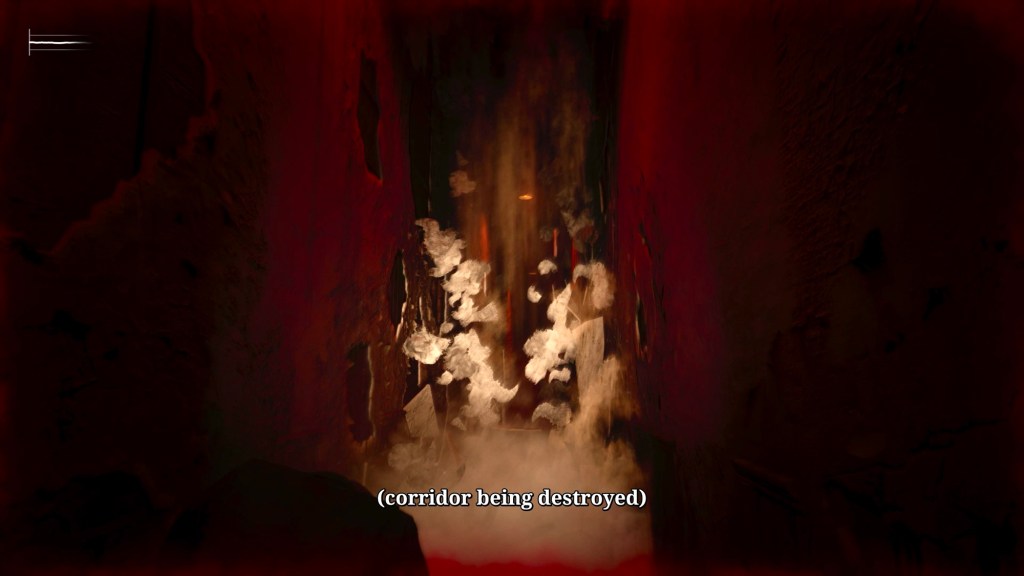
The sinister tones and rhythm of the music combined with the atmosphere create a pervading sense of dread. And the radio mechanic – where it plays static like a screeching wraith when it detects a monster – is terrifying. And sometimes it goes off when there is no monster! So you’re left paranoid, but still dependent on the very thing that terrifies you.
So clearly sound is a powerful way to tell a story, or terrify your audience.
How the games develop the sense of mystery
As I’ve already mentioned, both games’ stories revolve around a mystery which the player slowly unravels throughout the story. If you miss those snippets of information found in the scraps of paper you can find in Jusant, you’ll never know where the tower’s people went and why they left. Nor will you understand the contextual legend of a climber restoring water to the world using music that is central to the game’s lore. The plot is actually remarkably simple, but the player in effect becomes its agent as much as the climber is. Without the player’s curiosity, it’s just some dude climbing a tower with a cute blue buddy and sometimes blowing into pipes.
The other questions the player has, like what is Cutey Bluey and his relationship to the climber, the meaning of the murals you can find, and what the climber is climbing the tower for, get hints of the answer throughout the hours of play but are only confirmed at the end of the story. And the final cutscene only makes sense if the player has paid attention to the environmental storytelling. Otherwise, the player will be emotionally touched, if they bonded with Cutey Bluey like I did, but still very confused at what the heck just happened.
The inciting incident of SH2R is when James tells us how he’s just received a letter from his wife, Mary, who has been dead for 3 years. An impossibility, as dead people don’t write to you, but he tells the player it’s written in her handwriting. So how can this be? He visits the town to find Mary and figure out what’s going on. Here’s her letter, as it appears at the start of the game:
In my restless dreams,
I see that town,
Silent Hill.
You promised me you’d take me
there again someday.
But you never did.
Well, I’m alone there now…
In our ‘special place’…
Waiting for you…
Spooky, right?
How can a dead woman be restless and dreaming? What’s she talking about when she says James didn’t take her back to Silent Hill as he promised? What does this imply about the health of their relationship? What is the special place? And the sign-off of the letter is almost sinister, luring James to the strange town. The whole letter has a poetic, lyrical structure, adding to the sense of mystery. The player is as curious as James to find out what’s happening and check out the town.
As characters keep saying, Silent Hill is far from an ordinary town. The way day can turn to night in a moment, simply by James going up a staircase or through a door. And sometimes a room can transform rapidly from well-kept, in Silent Hill terms, to rotten and rusted and crumbling down. How does this Otherworld work? This is never answered. But these transformational moments keep the player constantly wondering, “What will happen if I go through this tunnel, up/down this lift/staircase, along this hall, or through the door?” And the moment when it rains indoors is the cherry on the top of the supernatural mystery cake.
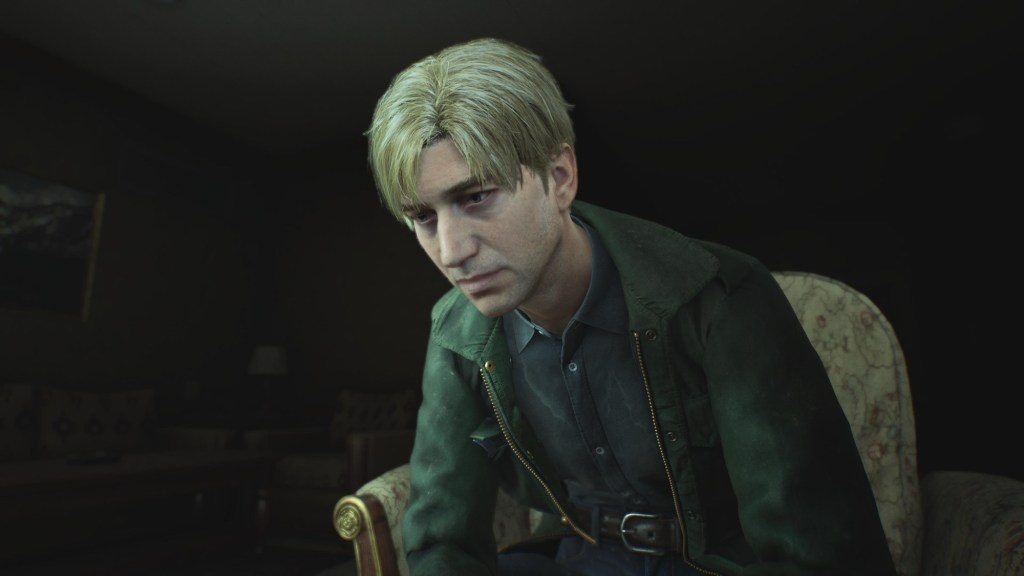
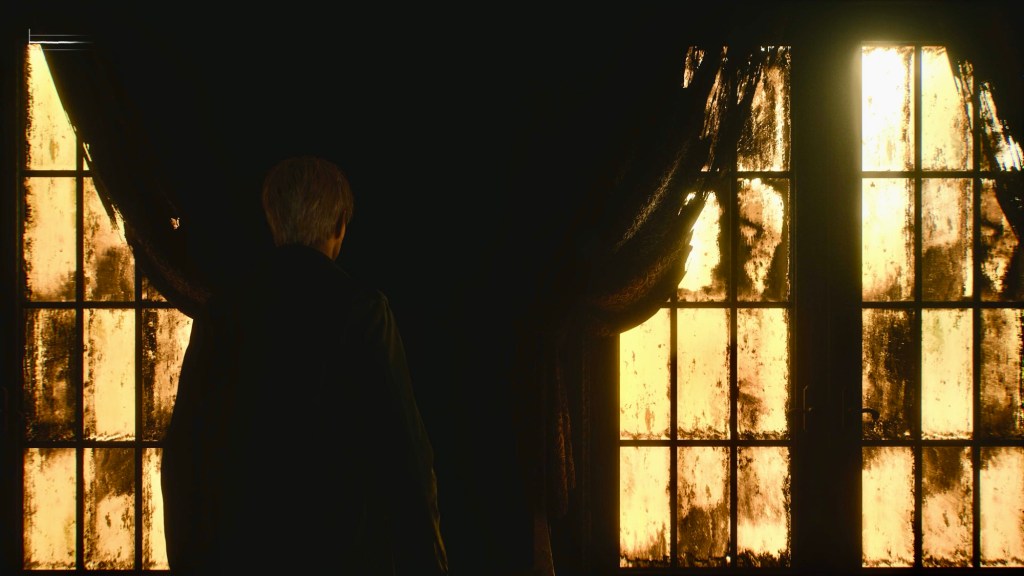
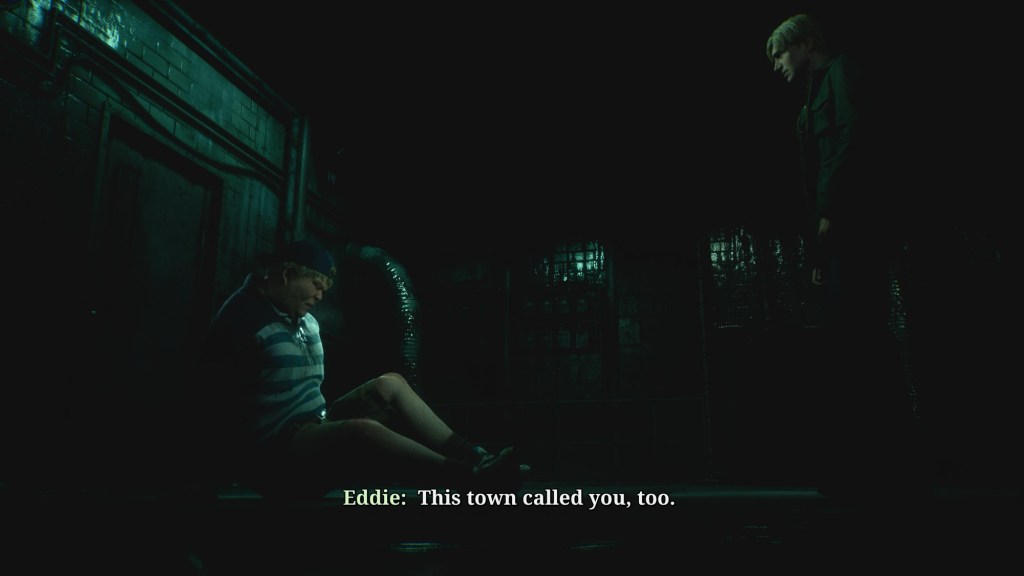
Eddie and Angela’s stories demonstrate how the town only lures those with darkness in their hearts. This revelation inevitably raises the question, what is James’ darkness that drew him to Silent Hill? And if he’s hiding a dark secret, can we as the player trust our own protagonist? And the other big mystery of the game – the strange qualities of Maria, who is nearly identical to James’ wife Mary and seems to have a split personality as well as a tendency to be brutally killed and come back to life like nothing happened. I can’t really explain more about that whole thing without spoiling the story, but it’s enough to say that the player is propelled forward by their own sense of curiosity. Curiosity mirroring James’ too.
How in both games the setting and protagonist profoundly change
Jusant’s protagonist arguably starts and finishes the game in the same lone traveller status they start out as. But I would argue the process of their climb and friendship with Cutey Bluey profoundly change them during the story. This emotional journey is mirrored in Bianca, whose story can be followed in her journal entries. They tell us how, depressed at the pointlessness of her operating a lighthouse in a world with no ocean, she hears of an expedition to climb to the top of the tower and see if they can find water up there. Inspired by the idea of doing something herself instead of just sitting around following her parents, she joins the expedition. Along the way, she learns (and we learn through her journal) about the legend of the ballasts – the water creatures – and a piper who wanders from place to place restoring water and hope with music. The rest of the expedition seek to hunt the ballasts, but she refuses to follow them to the very top of the tower. They never return, but she befriends a ballast for a while, and lives her life alone when it leaves, but satisfied with her choices.
Bianca and the climber’s journeys are mirrored and hint that those who are close with ballasts may lose some connection with society. There is a poignant final cutscene, where Cutey Bluey, though eager to reunite with his people, turns back for one last cuddle with the climber. Their bond is deep and sets the ballast apart from its people, who are uninterested in the climber, possibly even wary (which makes sense after that hunting party). After Cutey Bluey and our climber say goodbye, the climber is alone, and may have no way back down. To befriend a ballast is to befriend a myth in a sense, and perhaps that relationship separates you in some way from mundane life.
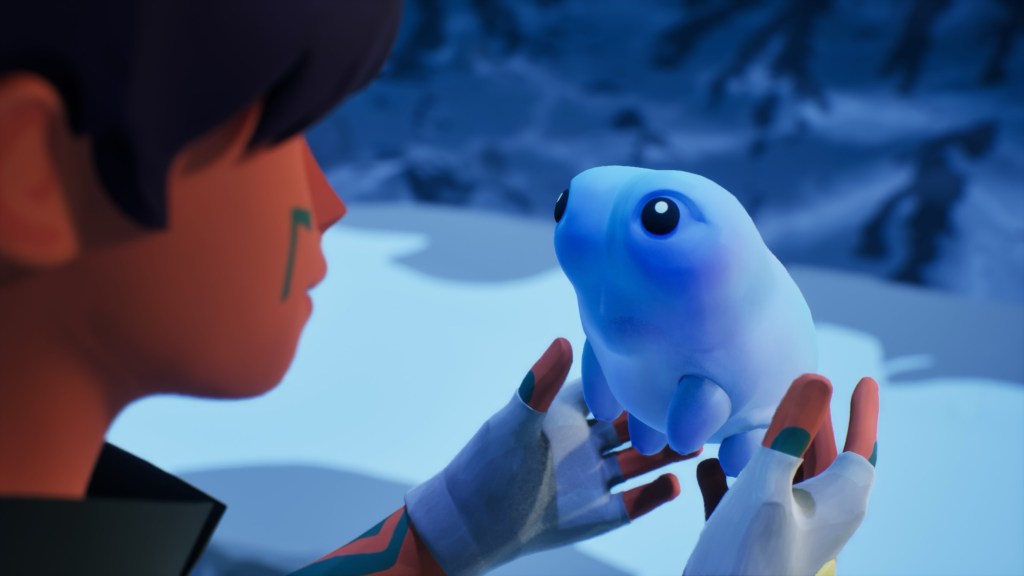
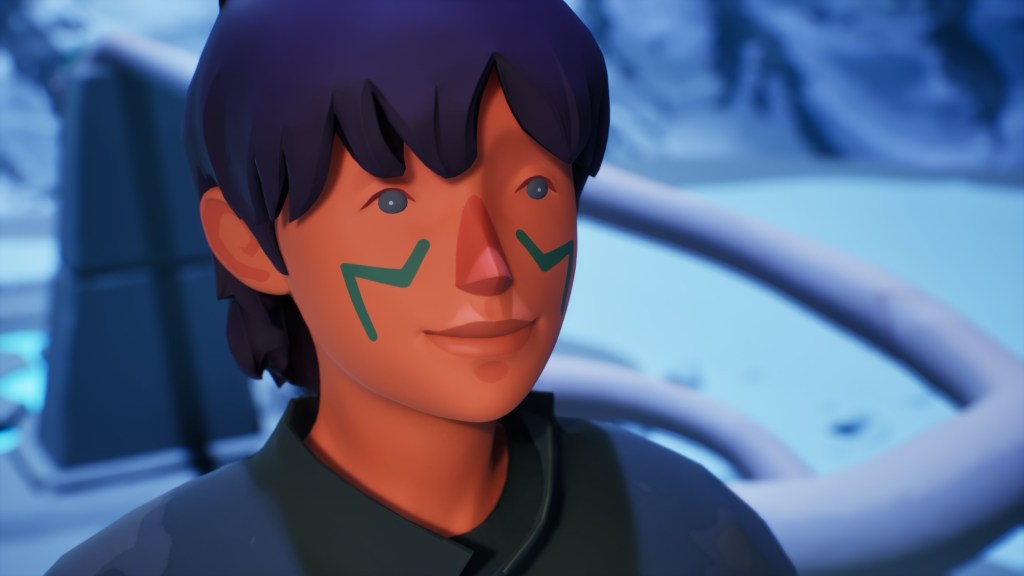


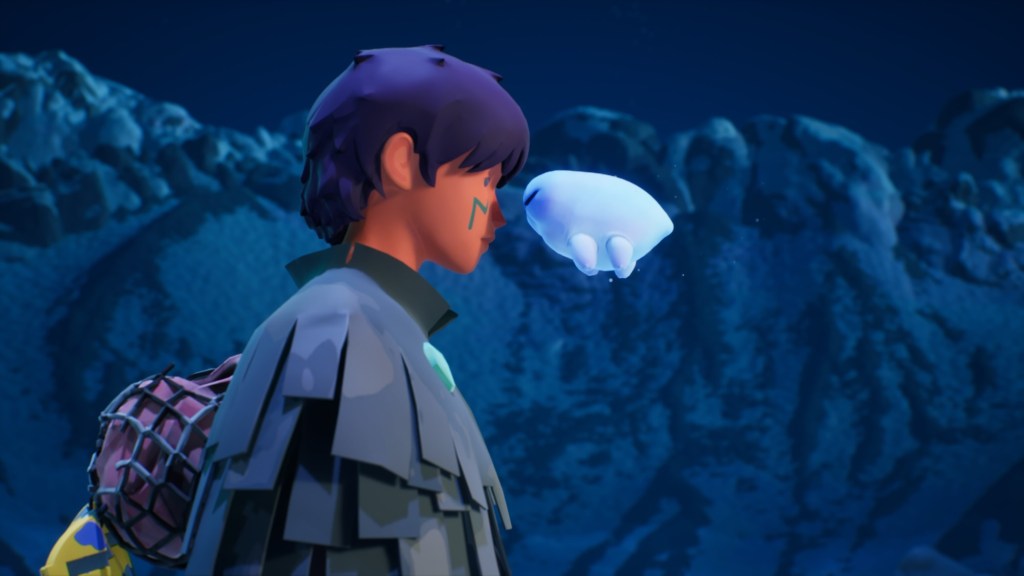
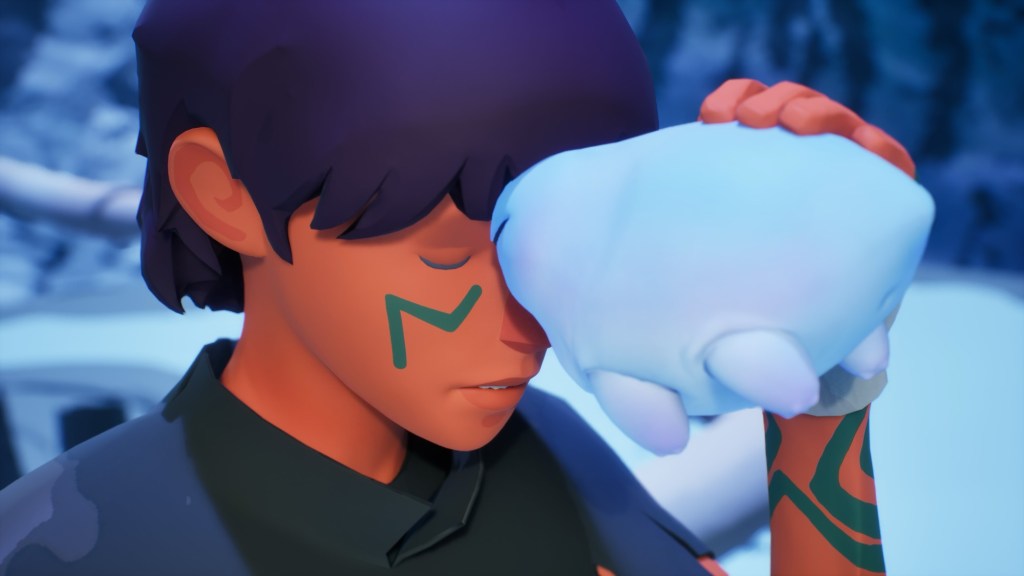
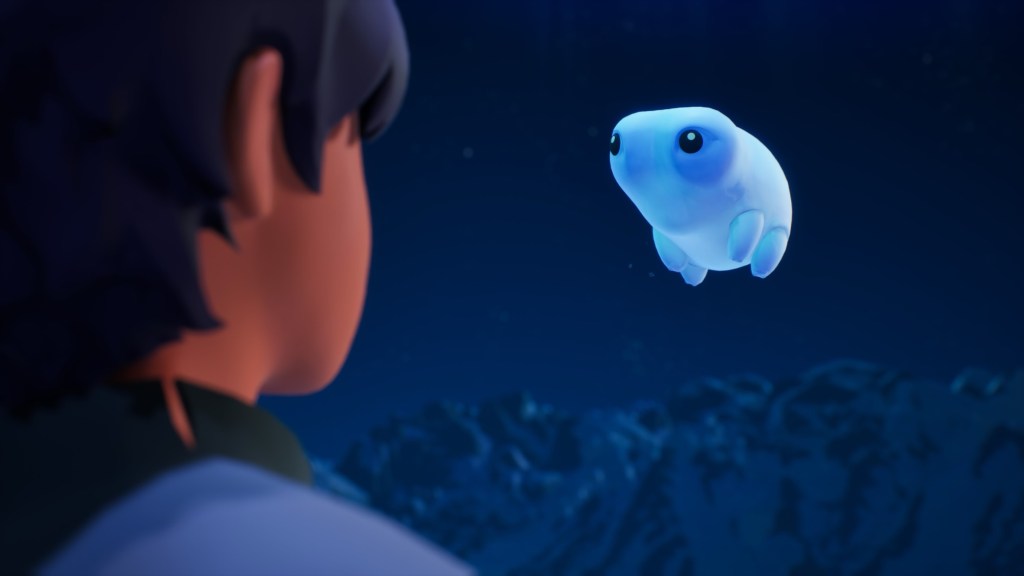
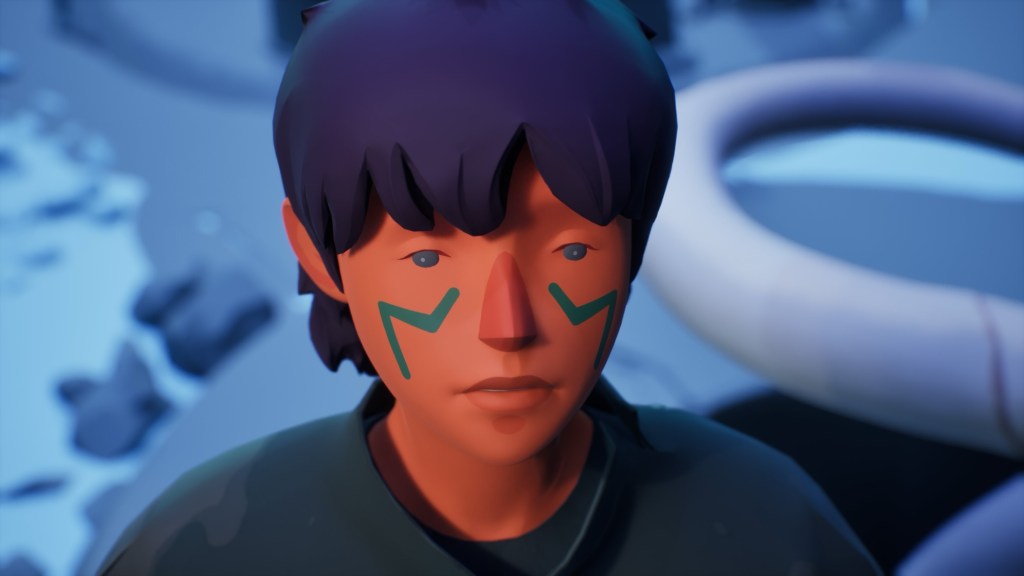
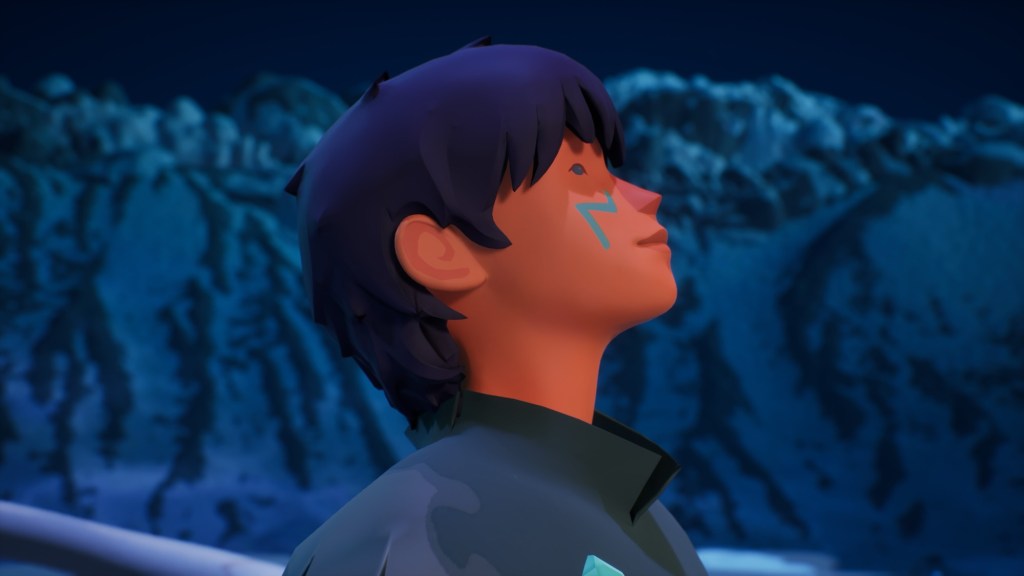
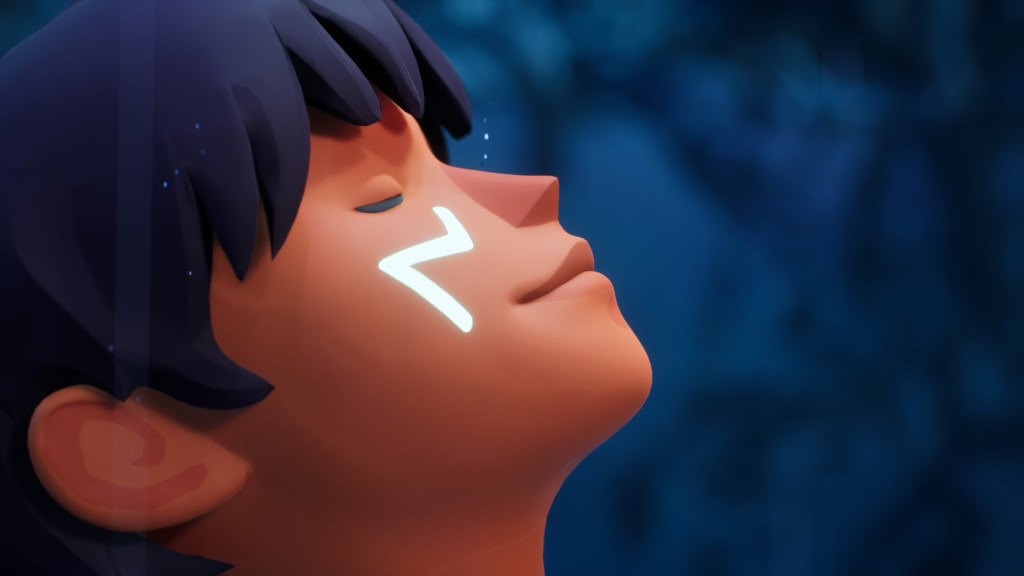
But due to the climber’s intrepid efforts and the ballast’s wondrous powers, the duo achieve the impossible, live up to legend, and restore water to the parched land and its people. The story ends with rain falling on the world again and hope is restored. So clearly the relationship between climber and ballast transforms them, and the world too.
In SH2R, James hopes to find his wife and solve the mystery of how his dead wife sent him a letter. But he’s an unreliable narrator, and this premise proves false in the end. The strange situations he gets into makes you question his sanity – especially when he reaches into a disgusting toilet. Why, James, why?!
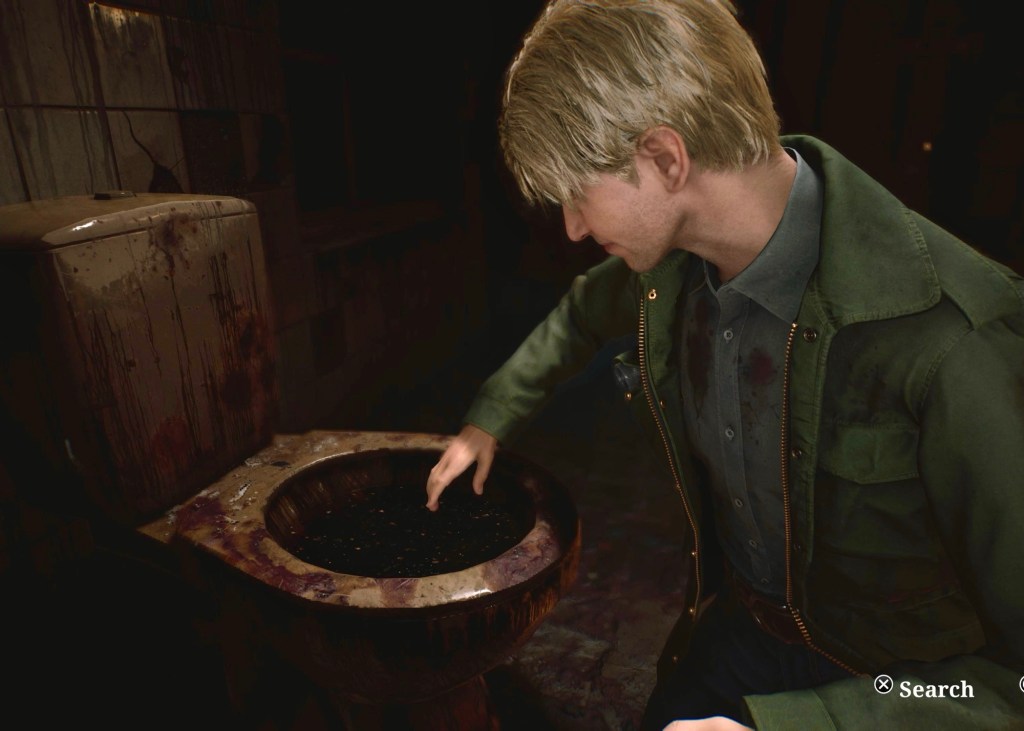
His goal is to find the truth yet his mind obstructs him. This intense denial is why he aggressively rejects Angela’s insinuation that maybe James wasn’t a good husband and perhaps has urges he cannot control. Of course, Angela is no more reliable than he, but she was observant here.
James grows from living in denial and believing his lies to literally diving into the deepest, darkest, most forbidden and self-hated parts of his mind. This is where he can strip away the lies, accept his inner darkness, and confront the truth of the secret he tried to keep from himself. The settings change from obscuring fog, to a hospital steeped in sickness, to the oppressive darkness of the prison conjured to punish him. Then the labyrinth of his lies loose him in his delusions until he finally makes it to the hotel where the truth is set free. The world of Silent Hill responds to James’ subconscious desires and so changes frequently. No one’s mind is ever still. And the characters he encounter, Eddie, Angela and Maria reflect aspects of himself. His aggression, his self-hatred, and his sexuality. All of them tempt him and test him, and he is a changed man for having met them. Though how changed he is ultimately is left up to the player’s choices throughout the game.
Finally, the player is also changed by the gameplay. At first they feel suffocated by the fog, it’s scary and hard to see through it. So when they enter Bluecreek apartments they feel, intense, if temporary relief. It doesn’t take long for the reverse to happen, where interiors feel like traps and the darkness crushes you. The foggy outside starts to seem inviting by comparison. But you’re never really safe, whether out in the fog or inside a building. It’s a clever way to immerse the player into the game’s world and almost makes the player undergo character development like the characters do.
There’s so much more I could say about both games, especially SH2R, but I will finish here. It’s been a fun time playing my first horror game – scary but in a good way! When I started playing Jusant it was as a foil to the scary moments, to help me relax when I needed to. But I found the points of comparison interesting and I hope you did too, even if you’re not into gaming. It goes to show that the two stories might be different in terms of genre, but the structure of the plots and methods in which the stories were told have connections. I find video games to be a very unique way of storytelling, because of how they utilise player agency to tell the story. They can be more immersive than film and the best games are just as immersive as novels. If you haven’t played these games before, I can wholeheartedly recommend them!
I hope you’ve had a good Halloween weekend and I hope you enjoyed this post. I’m glad to be back writing. I hope to see you soon in the guise of another post! 😃



Leave a Reply